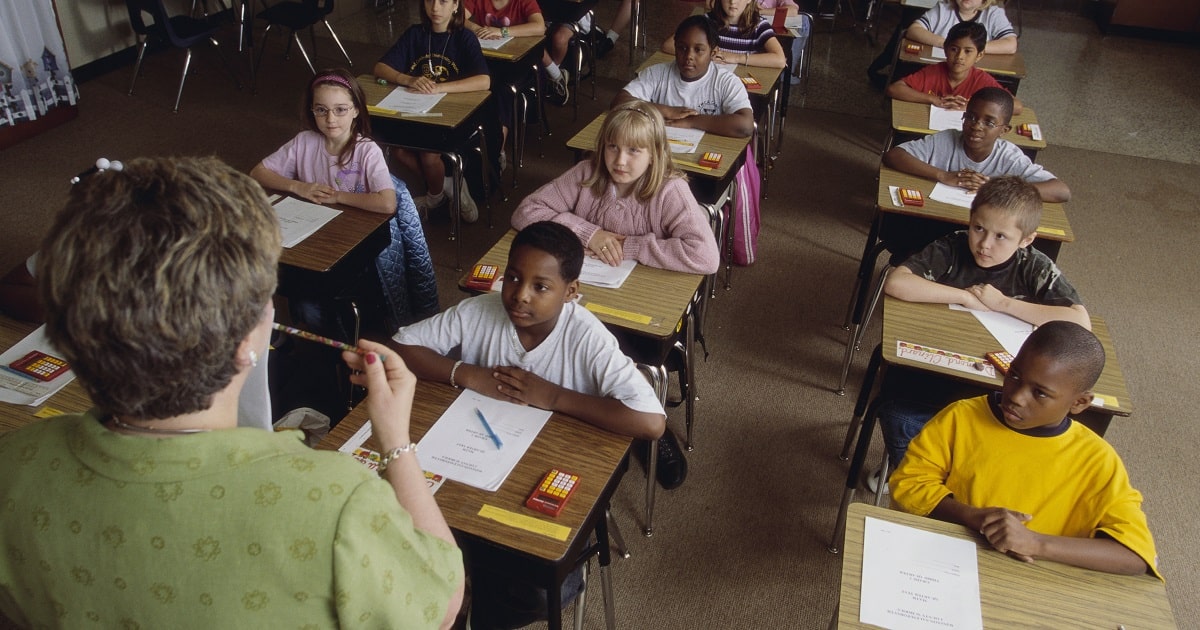
Representation plays a big role in education and can have a positive impact on students. When students see themselves in educational materials and feel that the materials are aligned with their individual differences this creates a sense of belonging and fosters well-being. It is vital that students feel included when learning that way they understand their significance in society and maintain motivation to continue their academic journey. Whether it be applying Universal Design for Learning (UDL) principles to face-to-face and online materials or utilizing strategies that foster inclusion in instruction educators will observe significant positive differences in their learning outcomes.
| Factor | Classroom with Representation | Classroom without Representation |
| Student Motivation | High motivation since material feels meaningful and personal | Low motivation since content seems distant and unrelateable |
| Classroom Climate | Inclusive, supportive, and collaborative | Risk of exclusion and disengagement |
| Academic Performance | Stronger test results and persistence | Achievement gaps widen |
| Social-Emotional Development | Increased confidence and self-worth | Feelings of insignificance or no belonging |
| Long-Term Impact | College readiness, career exploration, leadership opportunities | Higher dropout risk, limited aspirations |
Created by Erika Cruz
Last Updated
September 23, 2025